Johnson & Johnson is urging the U.S. Food and Drug Administration to adopt standardized asbestos testing methods for talc-containing cosmetics, even as the company continues to fight lawsuits alleging that its former baby powder products caused cancer.
In an October 27 letter made public November 10, J&J outlined a testing proposal designed to identify asbestos while distinguishing it from similar-looking mineral particles that the company argues should not be classified as asbestos.
The proposal comes nearly a year after the FDA withdrew an earlier rule that would have established mandatory asbestos testing requirements for cosmetic talc.
It also arrives amid two recent jury verdicts totaling more than $37 million in lawsuits involving alleged asbestos contamination of Johnson's Baby Powder, with the larger of the verdict more than $34 million.
Why J&J Wants Different Talc Testing Standards
Talc is a naturally occurring mineral widely used in cosmetics and personal care products. Although talc itself isn't asbestos, the two minerals can occur near one another underground, creating the possibility of contamination.
Asbestos exposure is an established cause of mesothelioma, a rare and aggressive cancer that affects the lining of the lungs, abdomen or other organs.
Testing for asbestos in talc can be complicated because laboratories must distinguish asbestos fibers from other mineral particles with similar characteristics.
In its letter, J&J argues that testing standards should recognize the difference between asbestos-forming minerals and their non-asbestos counterparts.
The company proposes using three laboratory techniques: X-ray diffraction, polarized light microscopy and transmission electron microscopy.
Together, these methods can help identify mineral composition, structure and characteristics that may indicate the presence of asbestos.
However, J&J also recommends that the FDA initially adopt existing U.S. Pharmacopeia testing methods involving X-ray diffraction and polarized light microscopy, while evaluating additional electron microscopy standards once they are finalized.
The company says cosmetic talc and pharmaceutical talc should be subject to consistent testing requirements.
J&J also supports at least annual testing consistent with existing pharmaceutical talc protocols.
FDA Withdrew Earlier Asbestos Testing Proposal
The debate over testing standards follows an important regulatory setback.
In December 2024, the FDA proposed requiring manufacturers of talc-containing cosmetics to use standardized methods for detecting asbestos.
The proposal was part of the Modernization of Cosmetics Regulation Act of 2022, which directed the FDA to develop testing requirements for talc-containing cosmetic products.
The proposed rule called for testing representative samples from each batch or lot of cosmetic talc or finished products using polarized light microscopy and transmission electron microscopy.
But on November 28, 2025, the FDA withdrew the proposal.
The agency cited scientific and technical concerns raised during public comments, as well as questions involving how asbestos should be defined and how testing requirements should be implemented.
The FDA said it would develop another proposal to fulfill its legal obligations.
J&J's latest letter attempts to influence that process by recommending testing methods that the company considers scientifically appropriate and consistent with existing standards for pharmaceutical talc.
The FDA has not adopted the company's recommendations.
Recent Mesothelioma Verdicts Add to J&J's Legal Pressure
The regulatory debate is unfolding alongside continuing litigation over Johnson & Johnson's former talc-based baby powder.
On Monday, a California jury awarded $34.21 million to Kevin Reikes, who developed mesothelioma after decades of using talcum powder products.
Jurors found that Johnson's Baby Powder was defective and that J&J failed to adequately warn consumers about asbestos contamination. The company was assigned 40% of the responsibility, with the remaining 60% attributed to a previously settled Dr. Scholl's defendant.
Just days earlier, a Massachusetts jury awarded approximately $1.91 million in damages, plus $1.41 million in prejudgment interest, to the family of Winifred "Missy" Haddad.
Haddad, a nurse and mother of four, was diagnosed with mesothelioma in 2020 and died six months later.
Her family alleged that years of using Johnson's Baby Powder exposed her to asbestos.
Jurors found J&J responsible for her developing mesothelioma, although they did not find that the cancer caused her death.
Johnson & Johnson disputes the conclusions in both cases and has said it will appeal the verdicts. The company maintains that its talc-based baby powder did not contain asbestos and does not cause cancer.
J&J discontinued talc-based Johnson's Baby Powder in the United States in 2020 and completed a global transition to cornstarch-based powder in 2023.
What Would New Testing Standards Mean for Consumers?
The central issue is whether future FDA requirements will reliably detect asbestos contamination in talc-containing cosmetics.
Laboratory testing methods matter because different techniques can produce different results, particularly when identifying extremely small mineral particles.
J&J argues that standards must avoid incorrectly identifying non-asbestos minerals as asbestos.
At the same time, testing requirements must be sensitive enough to detect contamination that could pose a health risk.
The frequency of testing also is a concern. Annual testing of a talc source is not necessarily equivalent to testing every production batch, particularly when mineral composition can vary.
The FDA's withdrawn proposal required batch- or lot-based sampling. Whether the agency's next proposal will retain that approach remains uncertain.
For consumers, the latest development highlights the continuing debate over how cosmetic talc should be tested and regulated.
And for Johnson & Johnson, the regulatory questions are unfolding as juries continue to weigh claims involving asbestos exposure and the company's former baby powder products.
No new federal cosmetic talc testing rule has been finalized, and J&J's recommendations remain proposals rather than binding requirements.
References:
Johnson & Johnson. Letter to FDA Regarding Proposed Rule on Talc Testing. October 27, 2026. Publicly released November 10, 2026.
U.S. Food and Drug Administration. Testing Methods for Detecting and Identifying Asbestos in Talc-Containing Cosmetic Products. Proposed Rule. Federal Register. December 27, 2024.
U.S. Food and Drug Administration. Testing Methods for Detecting and Identifying Asbestos in Talc-Containing Cosmetic Products; Withdrawal. Federal Register. November 28, 2025.
U.S. Food and Drug Administration. Modernization of Cosmetics Regulation Act of 2022 (MoCRA).
Mesothelioma Guide. Massachusetts Jury Awards $3.3 Million to Family of Nurse with Mesothelioma. November 12, 2026.
MedTruth. California Jury Awards $34.2 Million in Johnson & Johnson Asbestos Talc Lawsuit. November 11, 2026.
Johnson & Johnson. Johnson & Johnson Statement on Haddad Trial. November 6, 2026.
Lawsuit Information
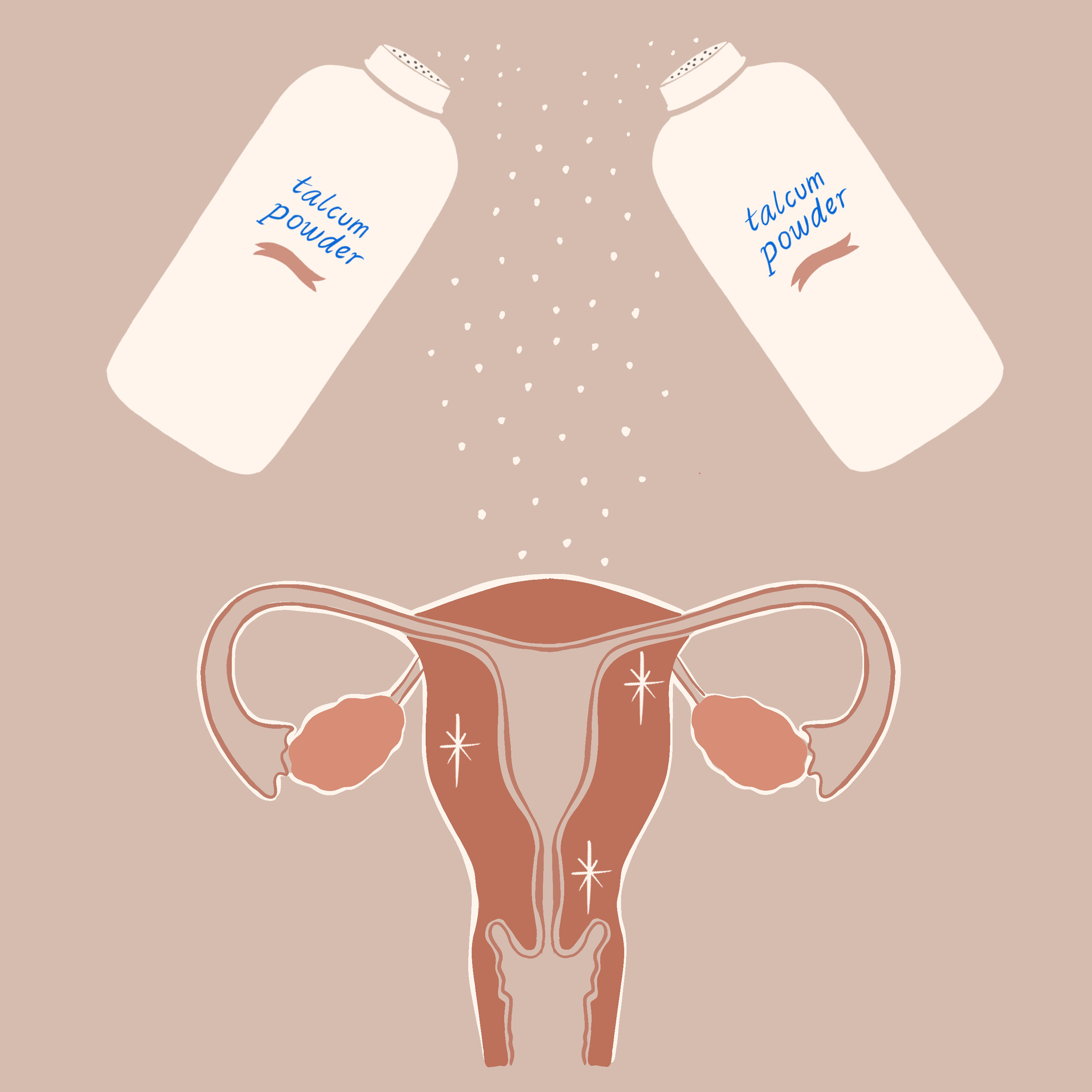
Talcum powder has been tied to ovarian cancer by patients in ongoing lawsuits.
Keywords
MedTruth Editors